The Great Leap Forward
Historically, the maritime sector has been viewed as a bastion of tradition, often lagging behind other logistics sectors in digital adoption. However, a sudden shift is occurring. Driven by the need for decarbonization and peak operational efficiency, maritime operations are no longer just making incremental gains; they are experiencing a quantum leap powered by Artificial Intelligence.
1. Fuel Optimization & Dynamic Routing
Fuel represents the largest variable cost for ship operators. Nautilink AI's real-time algorithms process millions of data points—weather patterns, ocean currents, and hull performance—to adjust routes mid-voyage. This isn't just about speed; it's about the precision of energy expenditure.
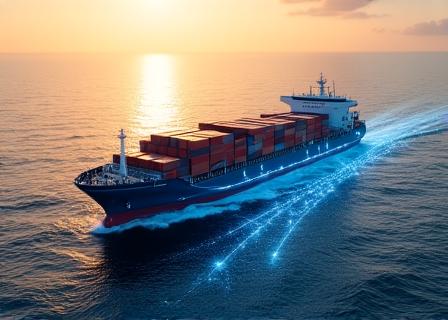
"The transition to AI is not an option for modern fleets; it is the baseline for economic and environmental survival in the coming decade."
2. Orchestrating the Port Dance
Congestion at major hubs regularly disrupts global supply chains. Automated port arrival and departure queuing systems allow vessels to maintain "Just-in-Time" arrivals. By synchronizing ship data with port terminal operational schedules, AI reduces idle time at anchor, saving significant costs and reducing emissions globally.
3. Enhancing Safety via Bridge Assistance
Human error remains a primary cause of maritime incidents. AI-driven Bridge Support Systems act as a secondary set of eyes, identifying hazards, potential collisions, and navigational anomalies well before they are visible to the naked eye. This technology doesn't replace the crew but empowers them with superhuman situational awareness.
Conclusion: Adapt or Drift
The competitive landscape is thinning between those who embrace nautical data integration and those who rely on legacy methods. To stay competitive, modern fleets must adapt to the speed of data. Nautilink AI provides the platform to turn that data into a decisive operational advantage.